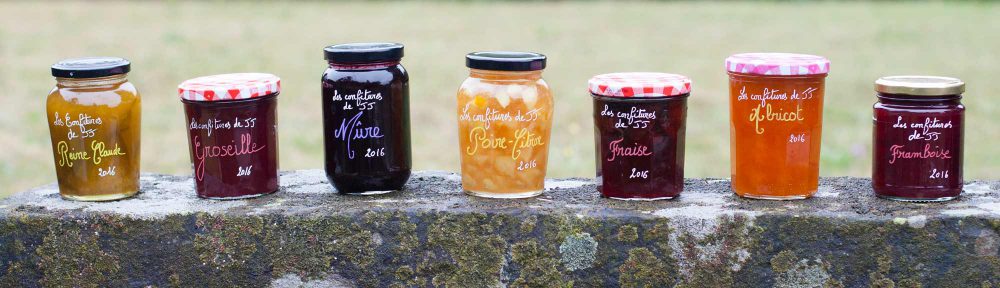
What makes an engaging story? Teaching storytelling through sharing my own personal journey, in particular my jam-making practice, has proved to be a fulfilling experience.
I normally don’t talk about myself when I teach at Central Saint Martins. I sometimes refer to my own experiences, such as talking about my BlaBlaCar carpooling trips when I teach entrepreneurship, or about my visits of kitchen gardens in Singapore when I teach environmental and social design practice. However, I never usually reveal more intimate details about my life. Teaching is about supporting student learning, not talking about yourself.
My teaching intervention at Creative Unions 2024 1, a five-week undergraduate multidisciplinary unit which started mid-May, marked a significant change. I went deeper into my own story this time. I was careful to stay within boundaries but was definitely more personal. This move I think is evidence of a growing connection between my professional and voluntary activities, the latter feeding the former and vice-versa.
Indeed, if my personal story proved effective in meeting our teaching goals, the experiment also enabled me to reflect on my own creative journey and my editorial choices for Les Jardins d’ici. How can I make my stories inspirational and empowering enough for people to actually engage with growing, eating and sharing organic fruit? What role my garden in Aurillac can play in this? I will look at these questions in the second part of the article, after focusing on the teaching experience in the first part.
Creative Unions 2024 is a collaborative practice unit in which students from various disciplines create a short film about a social or environmental theme that their team is interested in. The film should evidence an engagement with other cultures and identities, an understanding of what socially and environmentally engaged practice means and an empathetic and ethical approach to others. A colleague and I co-facilitated the work of eight teams of six students.
In the first week, the students met their teammates, learned about each other’s practices and agreed on how they wanted to work. The first workshop, on Tuesday 14 May, was aimed at making sure everyone felt included. The students, from different cultural backgrounds and origins, very diverse as our university’s cohort is composed of students who come from one hundred and thirty countries 2, were tasked with sharing their individual identities, values and creative practices.
My colleague and I modelled the task when briefing them. When I introduced myself to the group, I used one image to illustrate who I am and what I do as a researcher and creative practitioner when I don’t teach:

In the second week, we moved to filmmaking. What topic could the students choose in each of the teams? How to tell the story? On Friday 24 May, the students were encouraged to individually explore a story they liked. The objective was twofold. Firstly, the task was designed for them to learn about storytelling, by analysing how the story they chose was told. Secondly, they were asked to share this story with their team mates. It was a way of expressing their individual interests, live, fueling a conversation aimed at finding common ground for the team’s film.
Again, we modelled the task. My colleague talked about Hackney Flashers 3, a London-based women’s art collective active in the 1970s; I shared something connected to my own personal experience. To tell my story, I used four illustrations from a book published in France in 1956 4, a collection of spoken tales gathered in the country where I grew up.
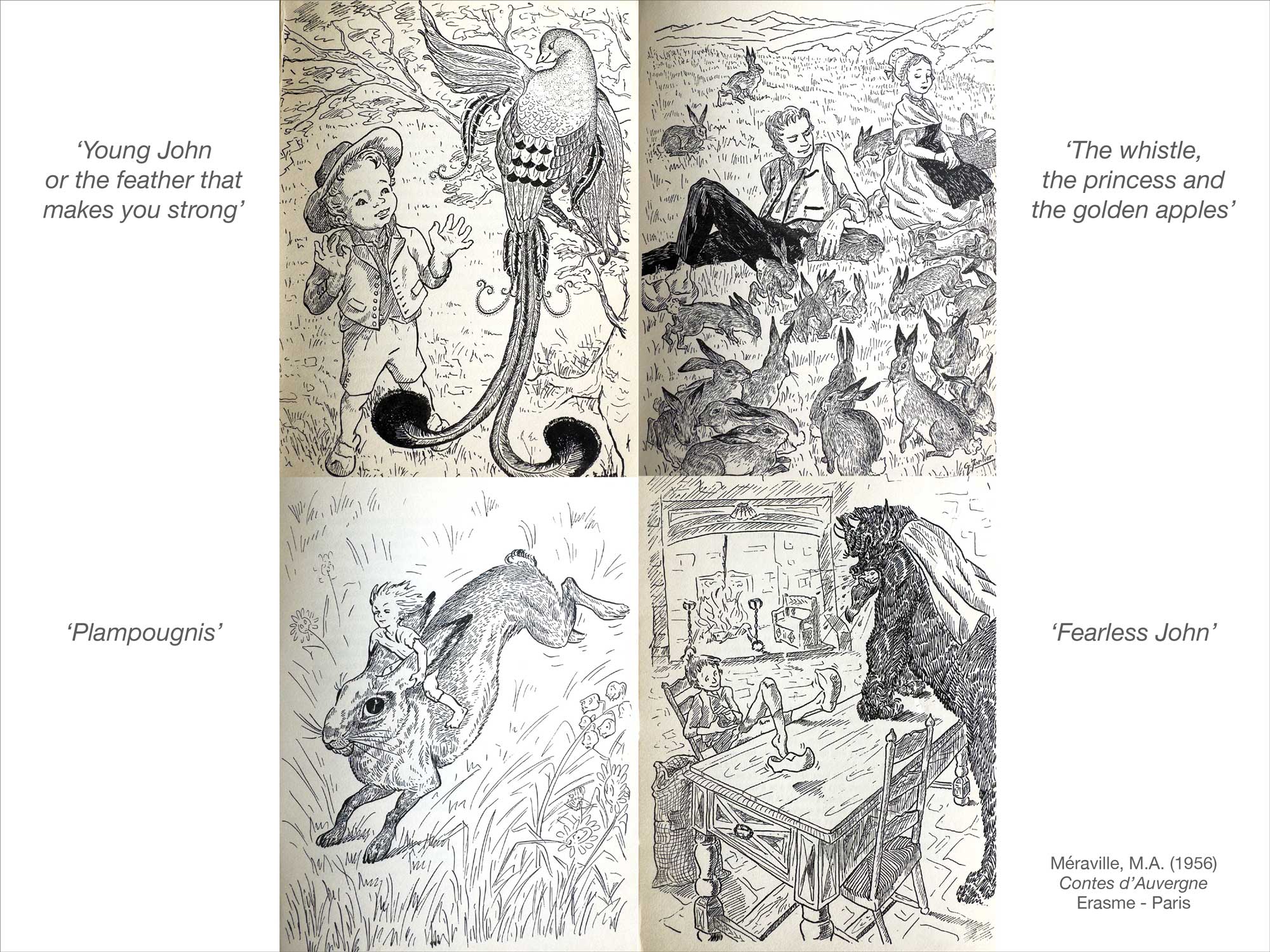
The illustrations came from four different tales. I created my own story based on the titles and the images. I said something like this, pointing at each of the illustrations:
- A boy receives good advice, something that helps (top left),
- It makes him confident to explore (bottom left),
- And fearless in the face of adversity (bottom right).
- Now grown-up, he lives in harmony with humans and other living beings, aligned with his values and interests (top right).
It was a metaphor for my vision of creative education and its benefits: empowering students so that they become ‘fully functioning persons’, in psychologist and educational theorist Carl Roger’s words 5, enabling them to find their ways in the world alongside the other living beings. I made sure I only touched lightly on this, so that students wouldn’t feel patronised. The most important thing was to make sense of something in a few words and images.
I mentioned the utopian character of these tales, referring to less positive aspects of past and present life in the region where they were designed and told. It was an opportunity to stress that looking at the positives as well as the negatives of a situation enables to produce more meaningful content. In doing so, I was at the same time addressing a question a student of my group asked me by email two days earlier after reading the Creative Unions 2024 briefing document.

This was about content. We also talked about form. If we were to use these images in a Creative Unions 2024 film, how could we do it? For instance, how could we bring life to them? Adding the sound of singing skylarks to suggest an heavenly place? A voice over expressing how I enjoy making jam for family and friends? Original footage to be shot by the team? And how about inserting existing footage from other sources? My colleague and I said it can support the storytelling very effectively, and that it is acceptable to use existing footage in an educational context as far as the authors are credited.
When preparing ahead of the session, I had thought about suggesting at that point using an extract of Studio Ghibli’s animation film Princess Mononoke which shows dark blob matter spreading over a meadow. It would have been a way to illustrate current environmental and social threats to our societies and our planet, how darker sides of humanity impact other living beings and our environment, threatening as a consequence our own safety in this world. It would have conveyed, maybe, the deep meaning of my creative practice. But I forgot. And I think it was much better that way. We had discussed the iterative process of creation, ways of building something within deadlines with what we have at hand, with what we find through research and what we shoot. That was the main thing. As for meaning, I trust our students to find purpose and meaning in what they do. So again, getting too much into my attempt to make meaning of my own life would have been a step too far.
Finally my colleague and I talked about including these stories in the team project. Maybe this jam-making story wouldn’t fit in after all. Maybe our team would collegially agree to work on a completley different theme, London public transport for instance, referring to a topic one of the teams had already chosen. In any case, I would have learned a lot about storytelling from analysing this story I particularly like, which would be beneficial not only to me but also to the whole team.
The students were now ready to focus on their task. We set the times, and left them to kick-off and have fun.
This story unfolded on 24 May 2024, almost six weeks ago. The students have completed the Creative Unions 2024 unit since, and we have marked their work. I am proud to say that all the students in my group submitted within deadlines, even those who had special arrangements and could have submitted later. All of them got good grades. We have seen excellent short films, which were evidence of what empathy and respect for other cultures, practices and identities combined with socially and environmentally engaged practice can help achieve. I have no doubt that our students will become transformational change makers for the better in a world that is unfortunately currently showing darker sides of humanity.
Storytelling and Les Jardins d’ici
Exploring these ways of teaching story makes me really happy. I believe that sharing what is dear to ourselves makes more engaging stories that people feel like reading.
I must say I had planned to write a longer second chapter for this post. I wanted to look into my editorial choices for Les Jardins d’ici, envisaging the future of writing about ‘the wonders of growing, eating and sharing fruit’ now my garden in Aurillac, an essential source of inspiration for me, has been devastated. Maybe another time.
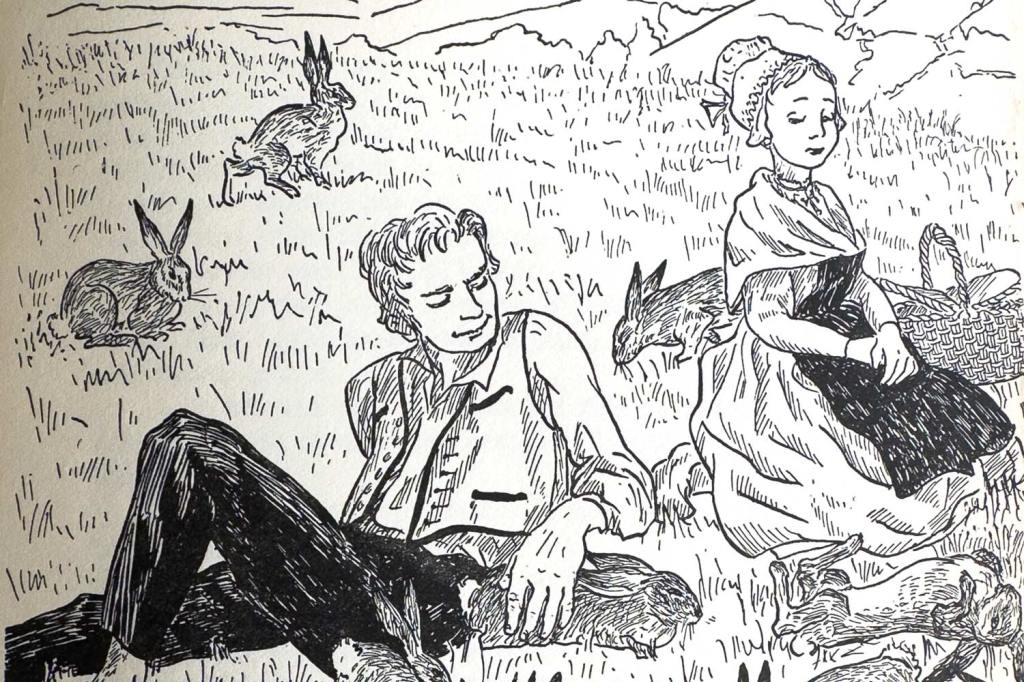
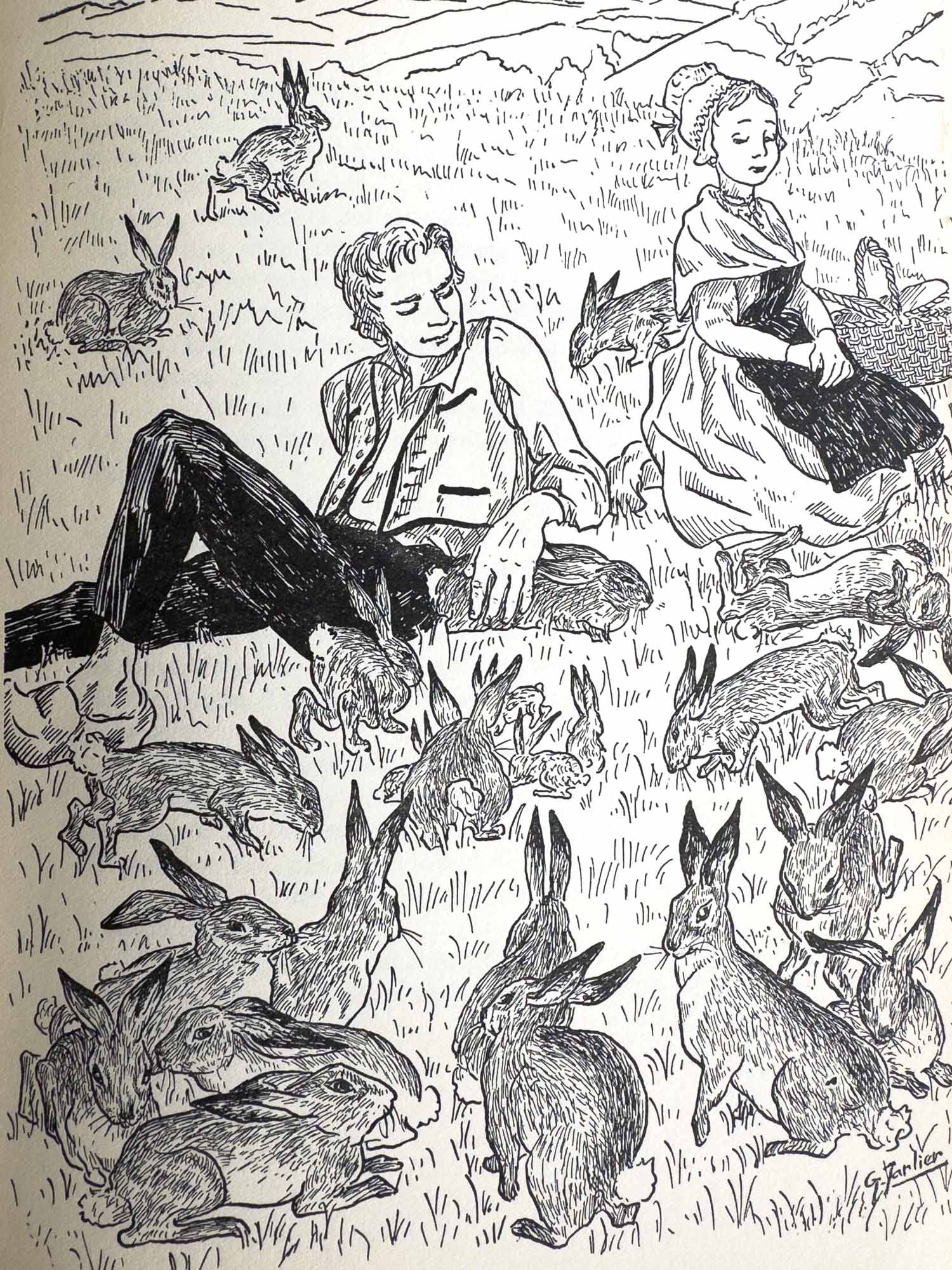
I prefer to keep to that very moment of happiness for now. I am back in the Auvergne. There are many places here where I feel I am the kind of person depicted in the drawing below. I feel so privileged to live in the mountains of Auvergne. I feel so privileged to support student learning in London. I feel so privileged to be able to tell my stories in another language than my native tongue, because someday I decided to open myself to other worlds and explore and experiment with curiosity and empathy. It just feels great.
References (webpages accessed 3 July 2024)
- https://www.arts.ac.uk/colleges/central-saint-martins/stories/creative-unions-fostering-collaborative-practice-across-disciplines
- https://www.arts.ac.uk/about-ual
- https://www.tate.org.uk/art/art-terms/h/hackney-flashers
- Méraville, M.A. (1956), Contes d’Auvergne, Érasme – Paris
https://www.google.co.uk/books/edition/_/iiDgAAAAMAAJ?hl=en&gbpv=0 - https://www.verywellmind.com/fully-functioning-person-2795197
 Les Jardins d'ici