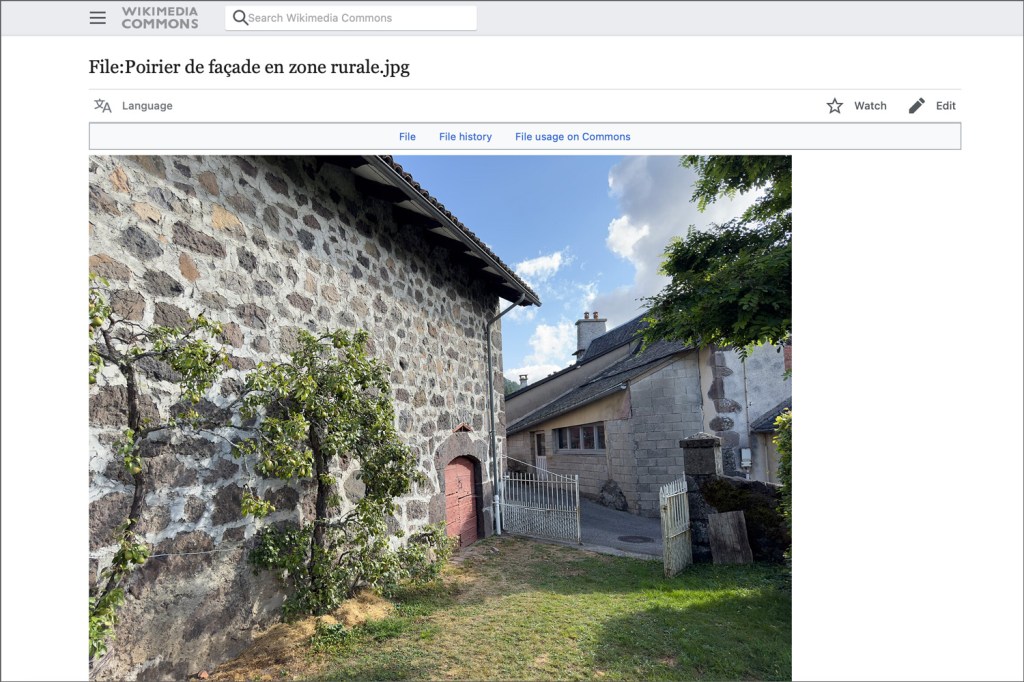
What I did after publishing the French version of this article on 16 September.
I am writing from the Devon county, UK, where I am attending the Walled Kitchen Garden Network Forum 2024 1. Again, I have very little time to complete this post, so I’ll be short. Instead of writing a full English version of my 16 September article, which I would normally do, I will focus on what I did after its publication. I entered the Wikimedia photo contest 2, uploading two of my pictures before the 27 September deadline, which anyone can now use under a Creative Commons Attribution-Share Alike 4.0 international license 3.
It took a while for me to retrieve the pictures on the Internet today. I first googled « Wikimedia Commons espalier », as the pictures were about the art of the espalier, listed in the Intangible Cultural Heritage of France, i.e. within the remit of the Wikimedia Commons contest. I found pictures of espaliered fruit trees 4, but not mine. I then googled « Wikimedia Commons Living heritage » and navigated through the Wikimedia Commons pages to reach the «Category :Intangible Cultural Heritage of France » 5. I was getting closer, but I was not there yet: there were none of the pictures uploaded as part of the contest, therefore not mine.
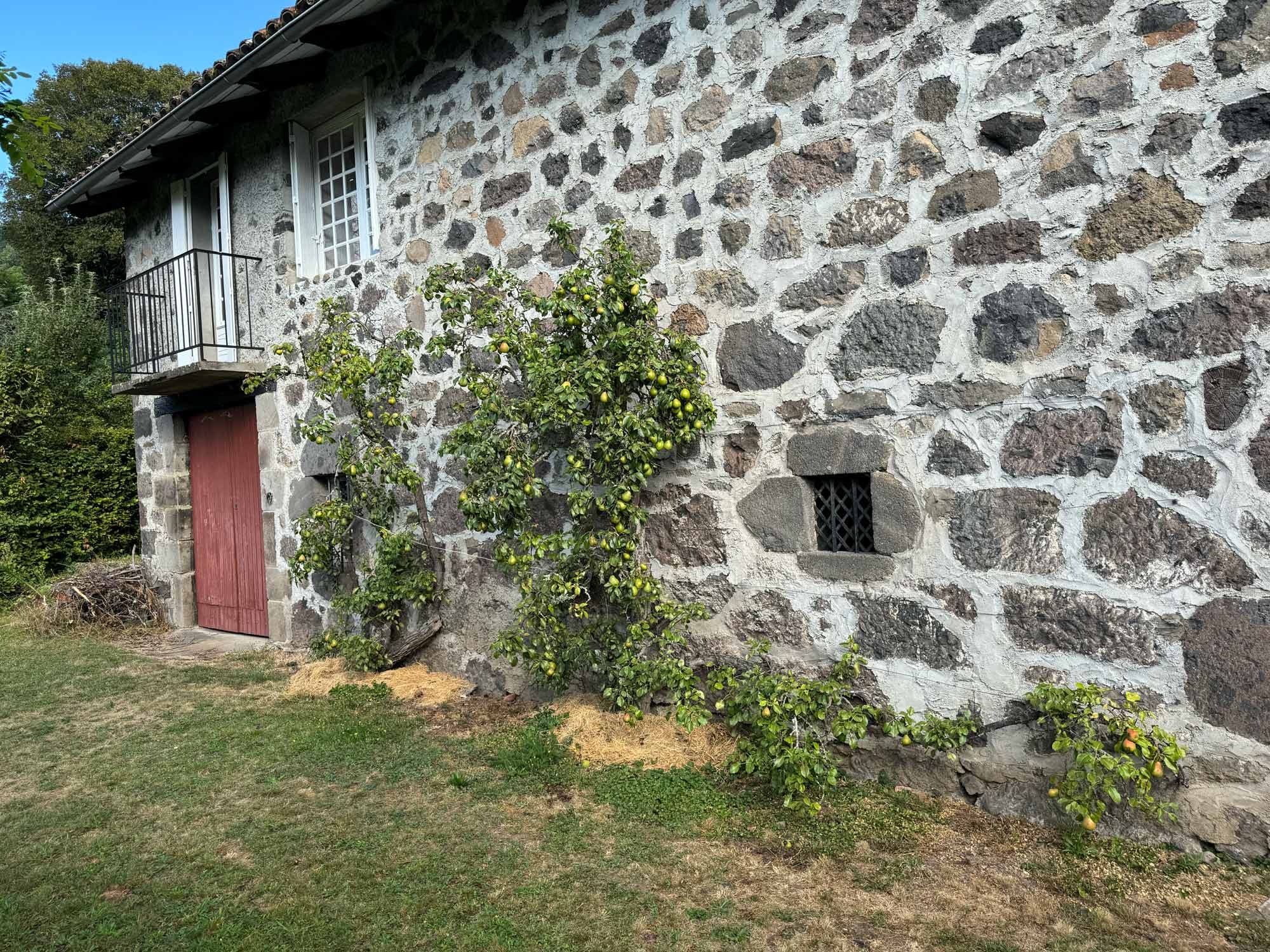
I found the first picture when googling « Wikimedia Commons art espalier » :
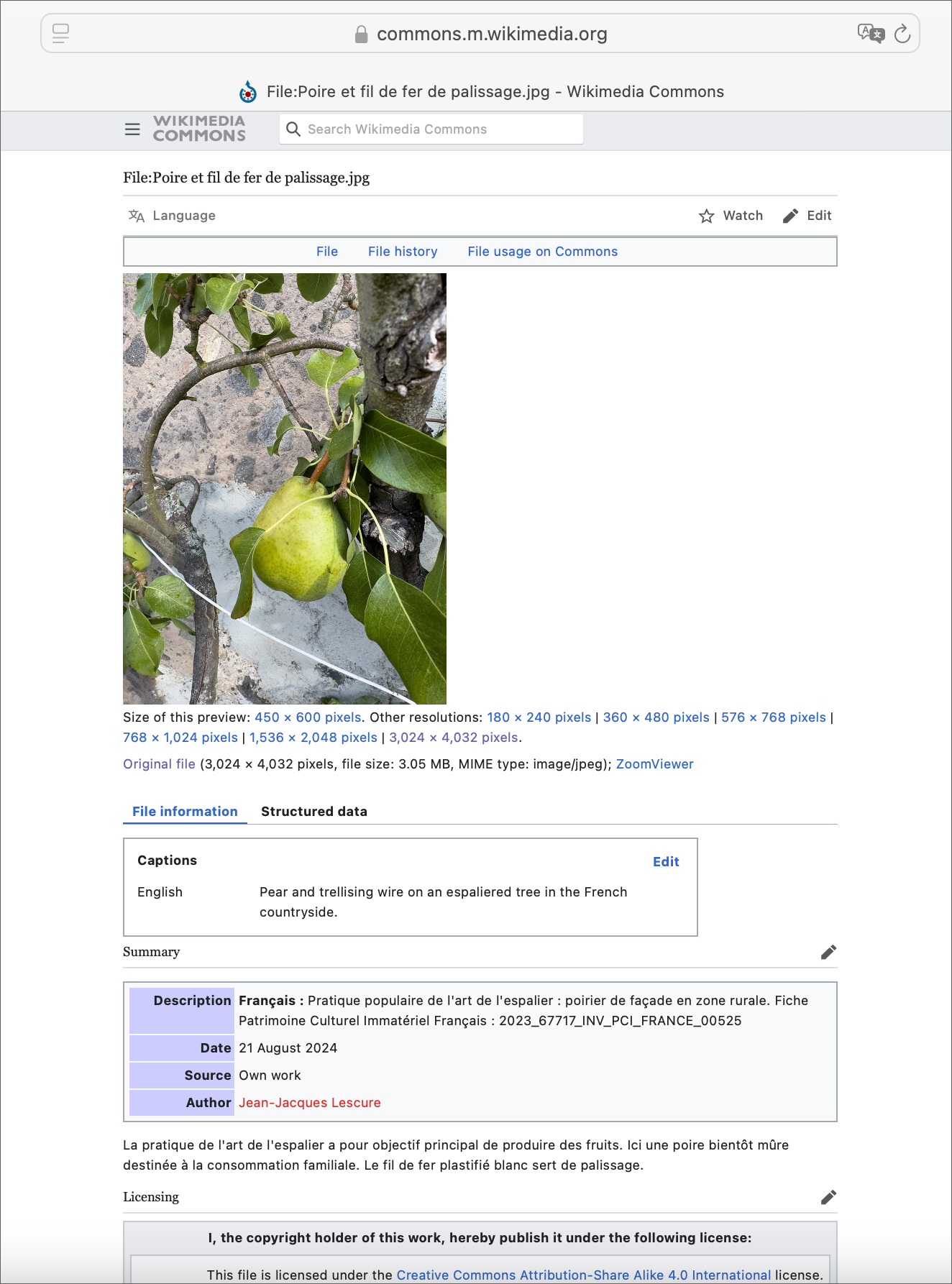
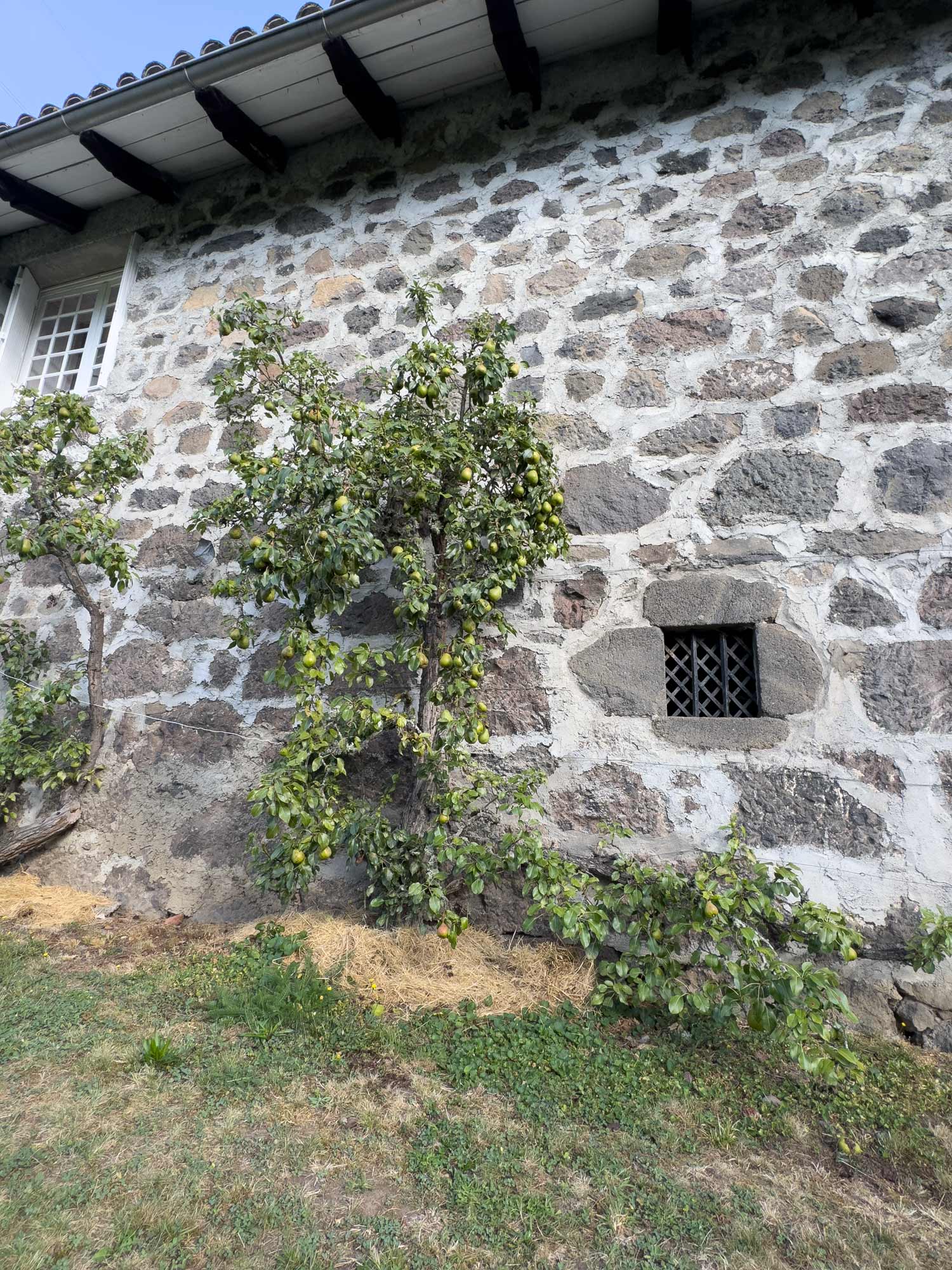
I found the second one by googling « Wikimedia Commons 2023_67717_INV_PCI_FRANCE_00525 », the reference to the Art of espalier’s file in the French Intangible Cultural Heritage list 6.

Not easy to find, isn’t it ? Maybe I should write to the organisers of the contest to say that the pages should be better connected.
A few words about my entries:
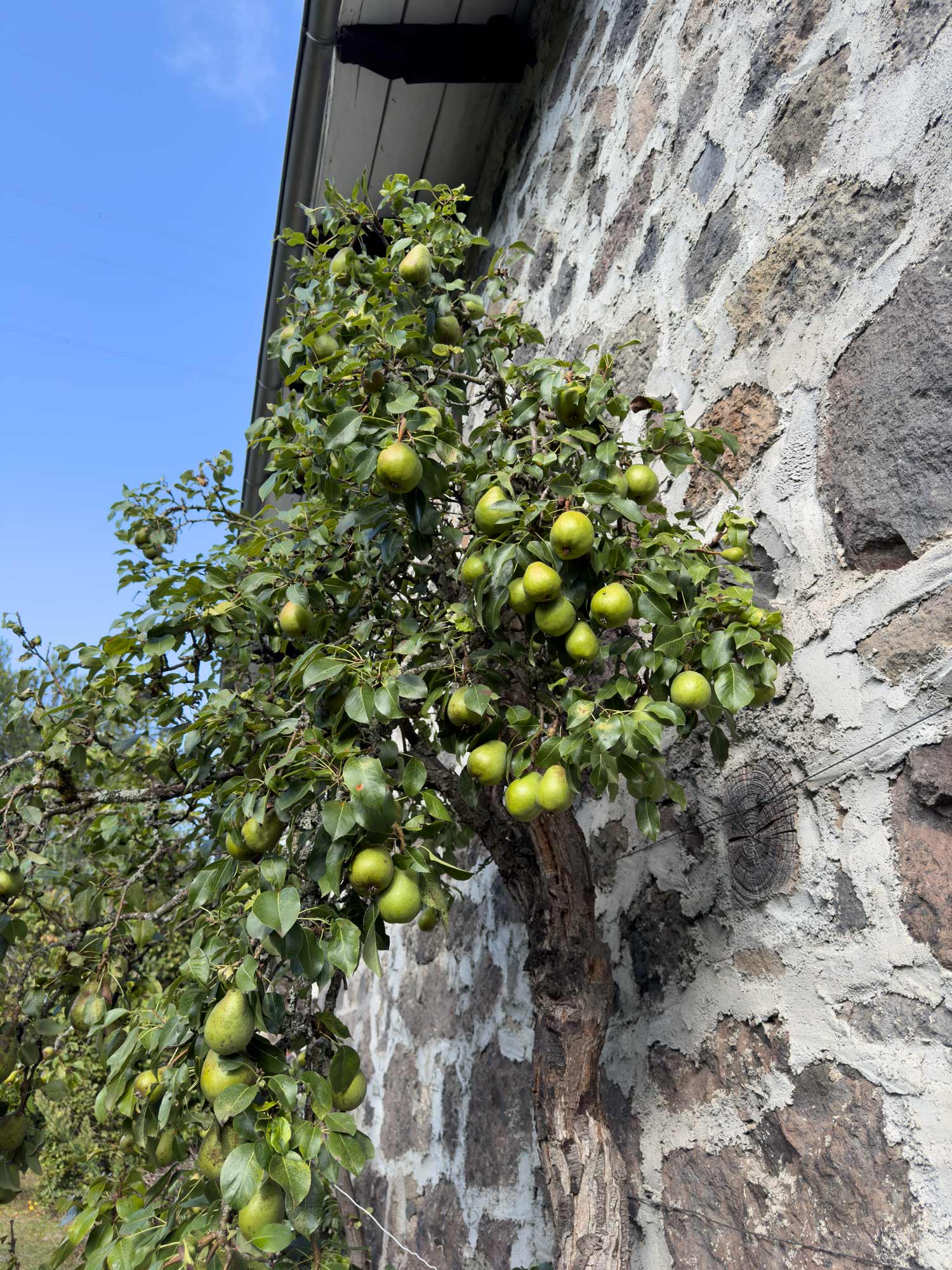
- I wanted to illustrate a particular form of the art of espalier: not what we usually find in large public of private estates like the Potager du Roi in France or West Dean Gardens in the UK, i.e. formal shapes which require a lot of work to maintain, but a more popular one practiced in the countryside or in family urban gardens, mainly aimed at feeding people. This practice, consisting of training trees to a simpler shape, should in my view be revived too.
- I am conscious of the fact that my entries don’t really meet the contest brief. There should be someone practising the art on the photo. These pictures were what I had at hand. I hope that the short commentary I added will make them informative to the viewers, enabling them to realise that the art of espalier encompasses various know-hows and practices aimed at different objectives.
Here are the original images I posted in the French version of the article published last month:
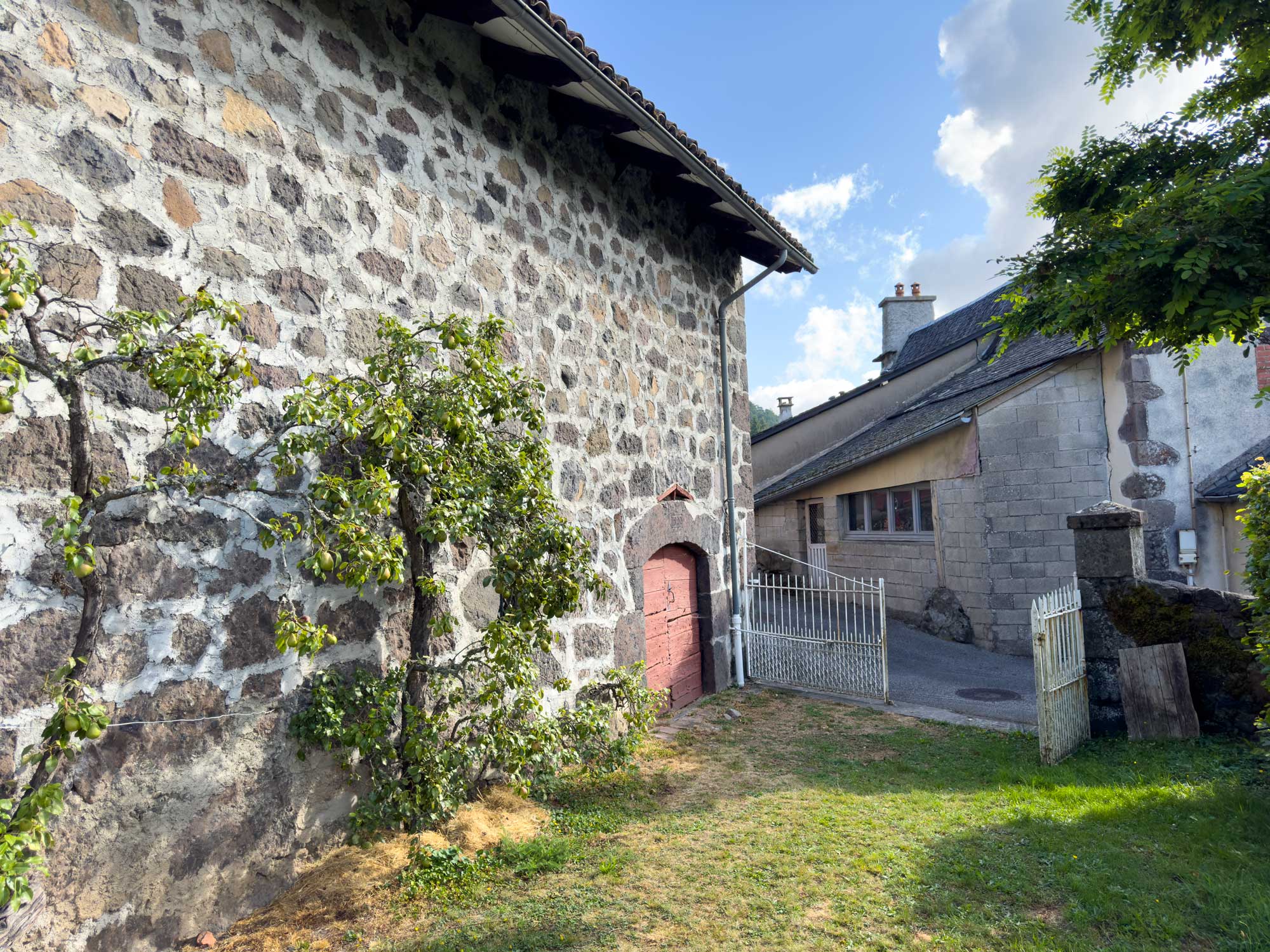
Photo 21 August 2024, Cantal, France.




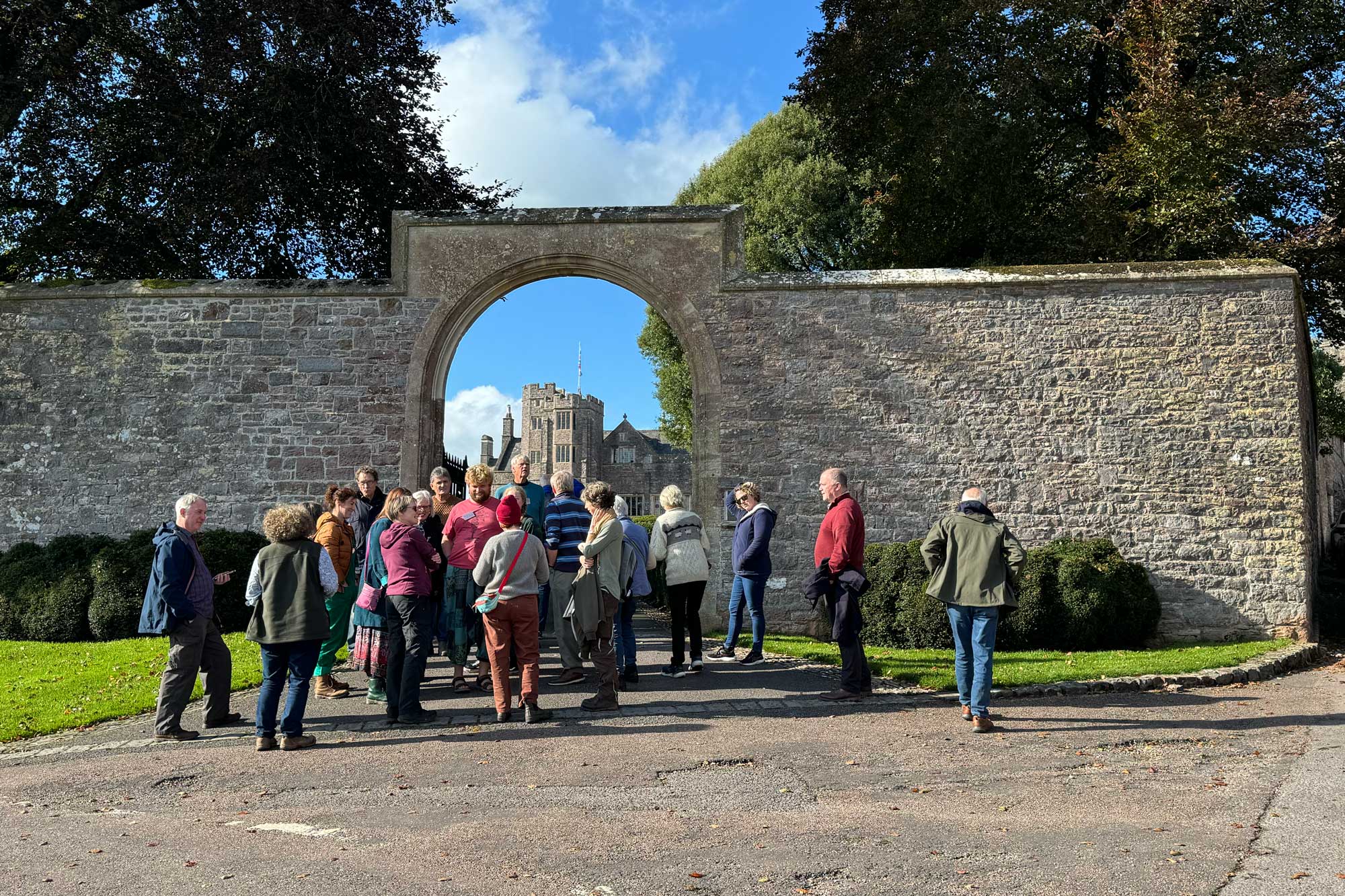
Time has passed since this morning. I have written a longer article than I thought. I am finishing it in the car on our way to our last garden visit of the day. It is now time for me to rejoin my fellow attendees of the Walled Kitchen Garden Network Forum 2024. We look forward to our third visit of the day, after two magnificent gardens this morning. British kitchen gardens are so beautiful…
References (accessed 12 October 2024)
- https://www.walledgardens.net/the-grapevine/walled-kitchen-gardens-network-forum-2024-knightshayes/
- https://commons.wikimedia.org/wiki/Commons:Concours_Photographier_le_patrimoine_vivant_en_France_2024(in French)
- https://creativecommons.org/licenses/by-sa/4.0/deed.en
- https://commons.wikimedia.org/wiki/Category:Espaliers
- https://commons.wikimedia.org/wiki/Category:Intangible_Cultural_Heritage_of_France
- French Intangible Cultural Heritage listing, see the art of espalier in the know-how category: https://www.culture.gouv.fr/Thematiques/patrimoine-culturel-immateriel/Le-Patrimoine-culturel-immateriel/l-inventaire-national-du-patrimoine-culturel-immateriel (in French)
 Les Jardins d'ici

